Exhibition News: First Major Tworkov Exhibition in Asia at de Sarthe

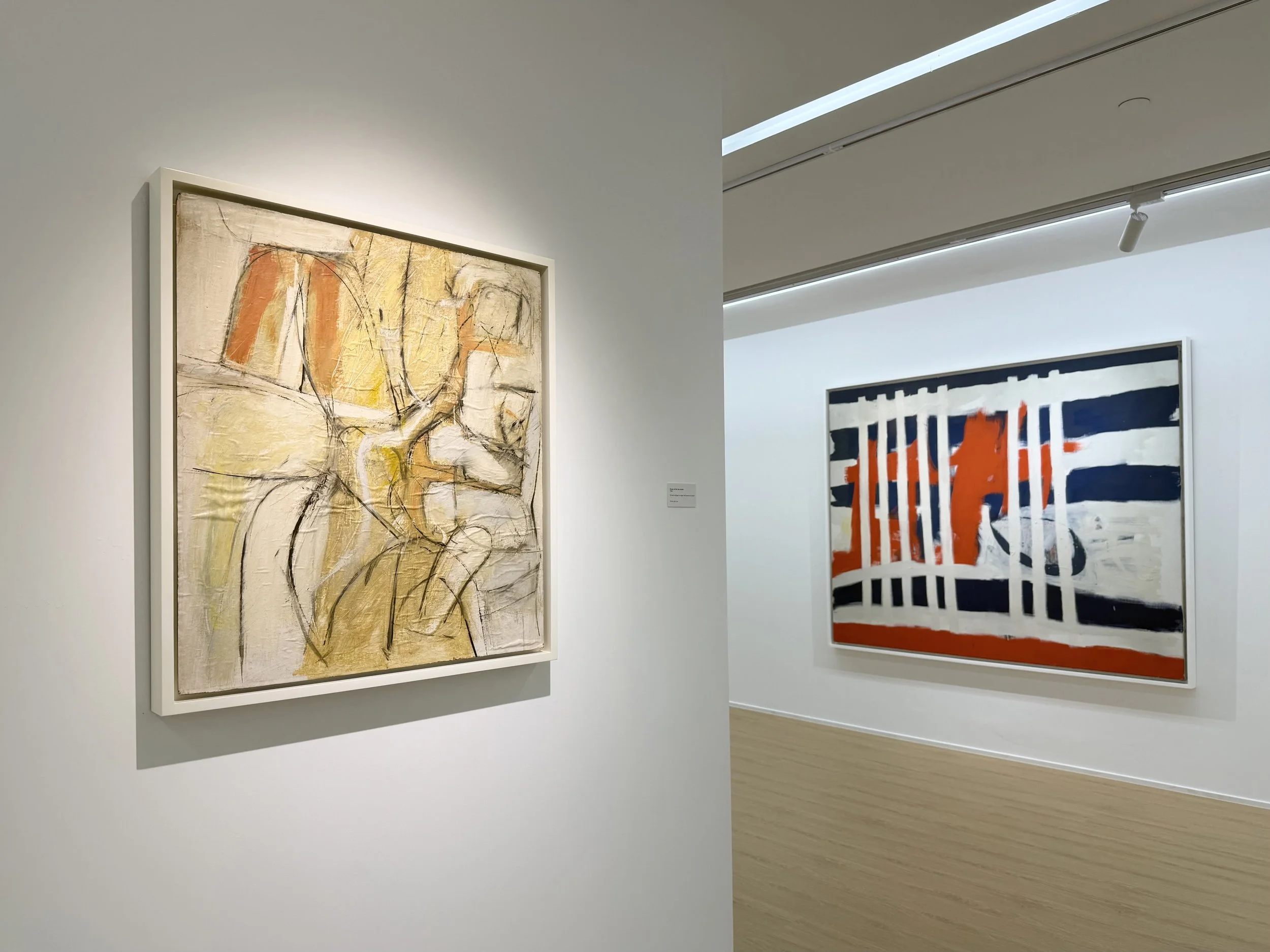
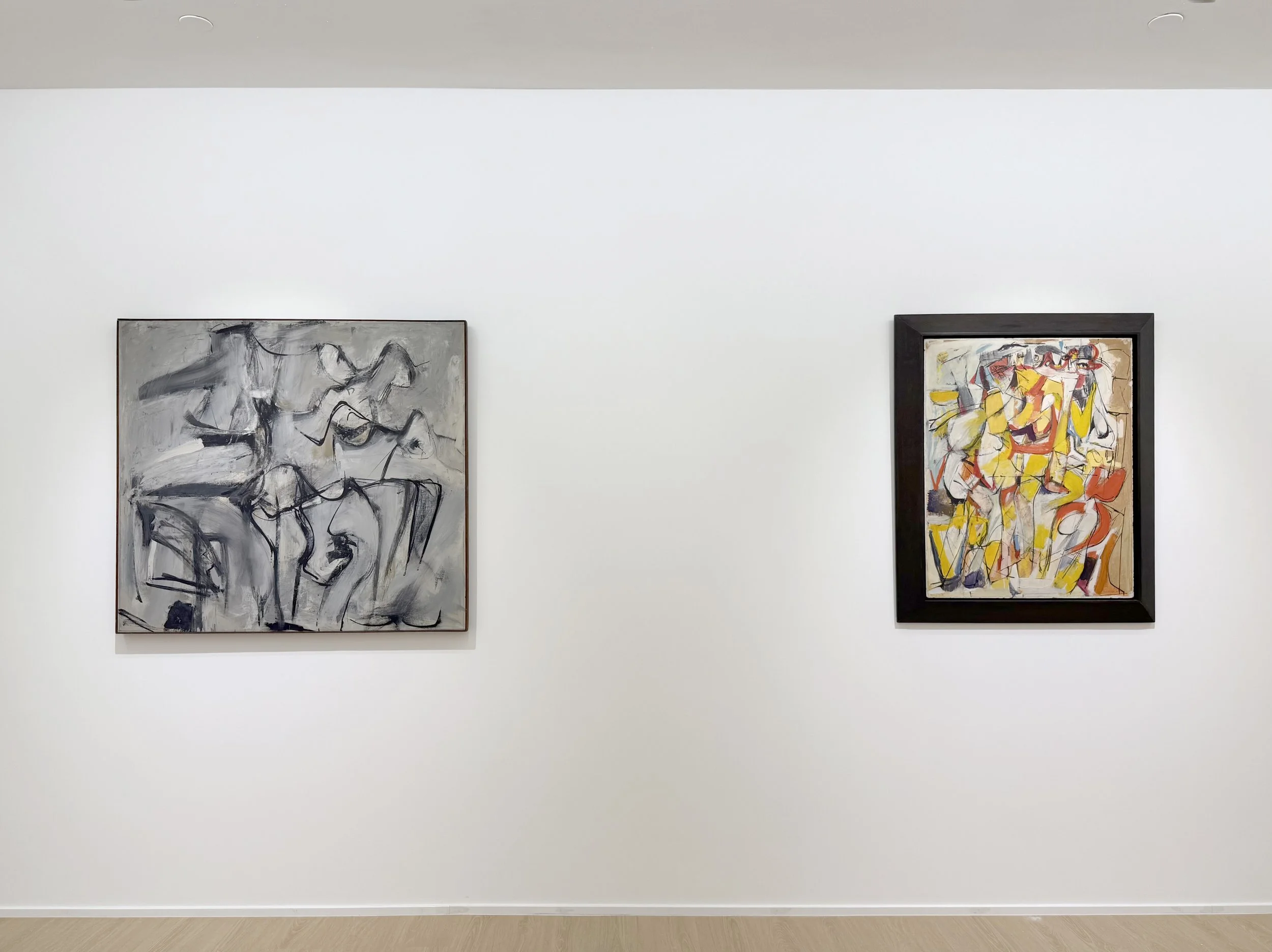
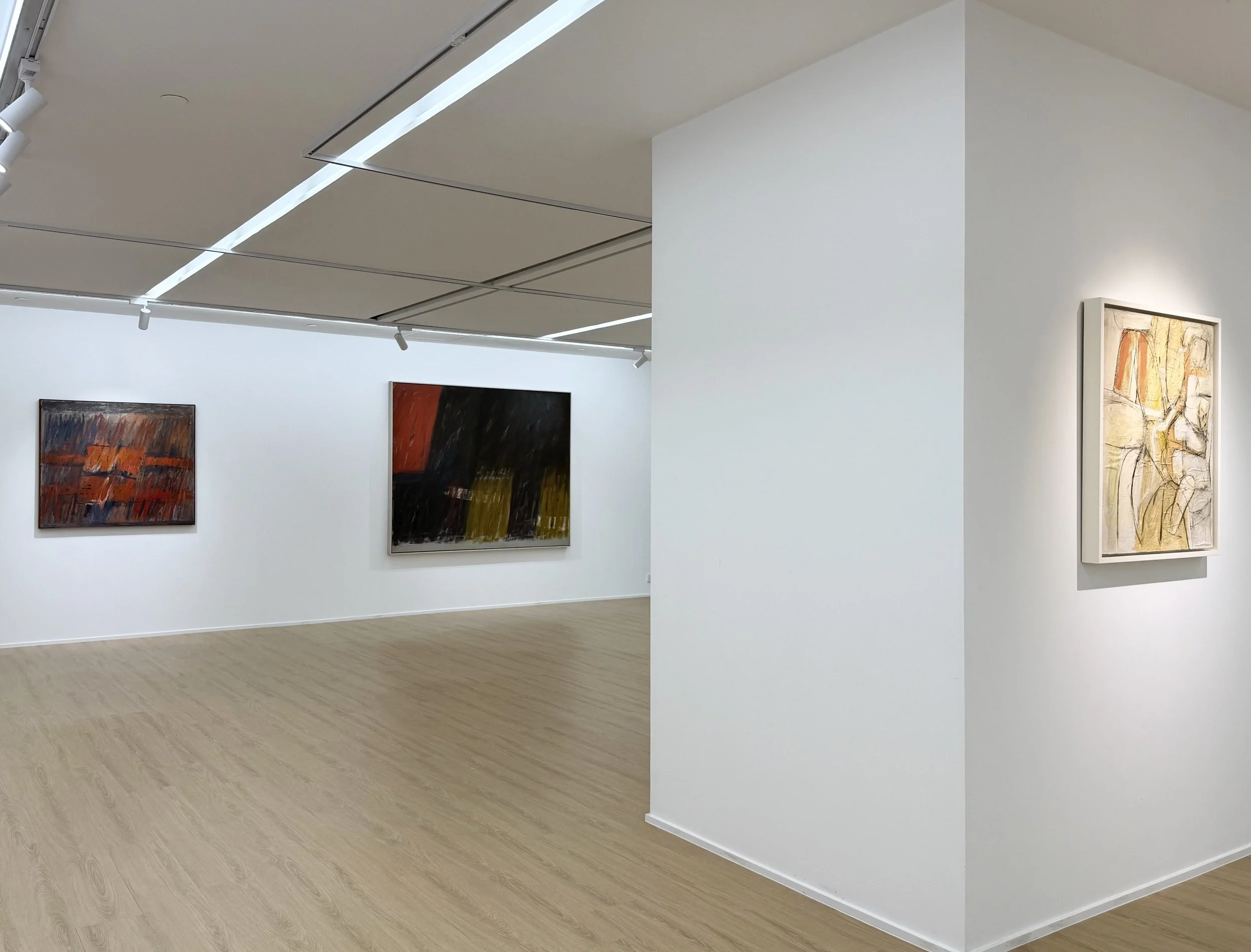
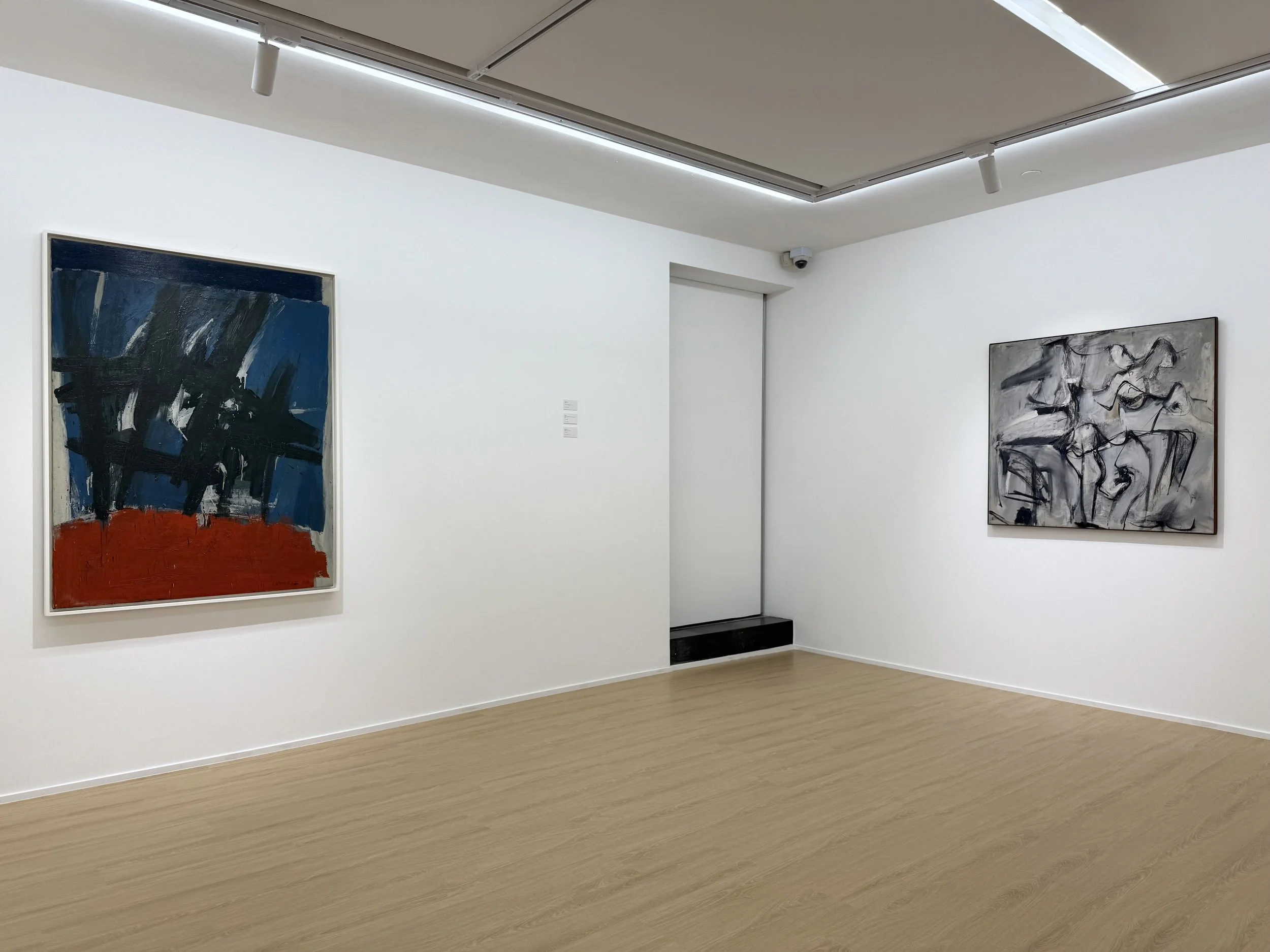
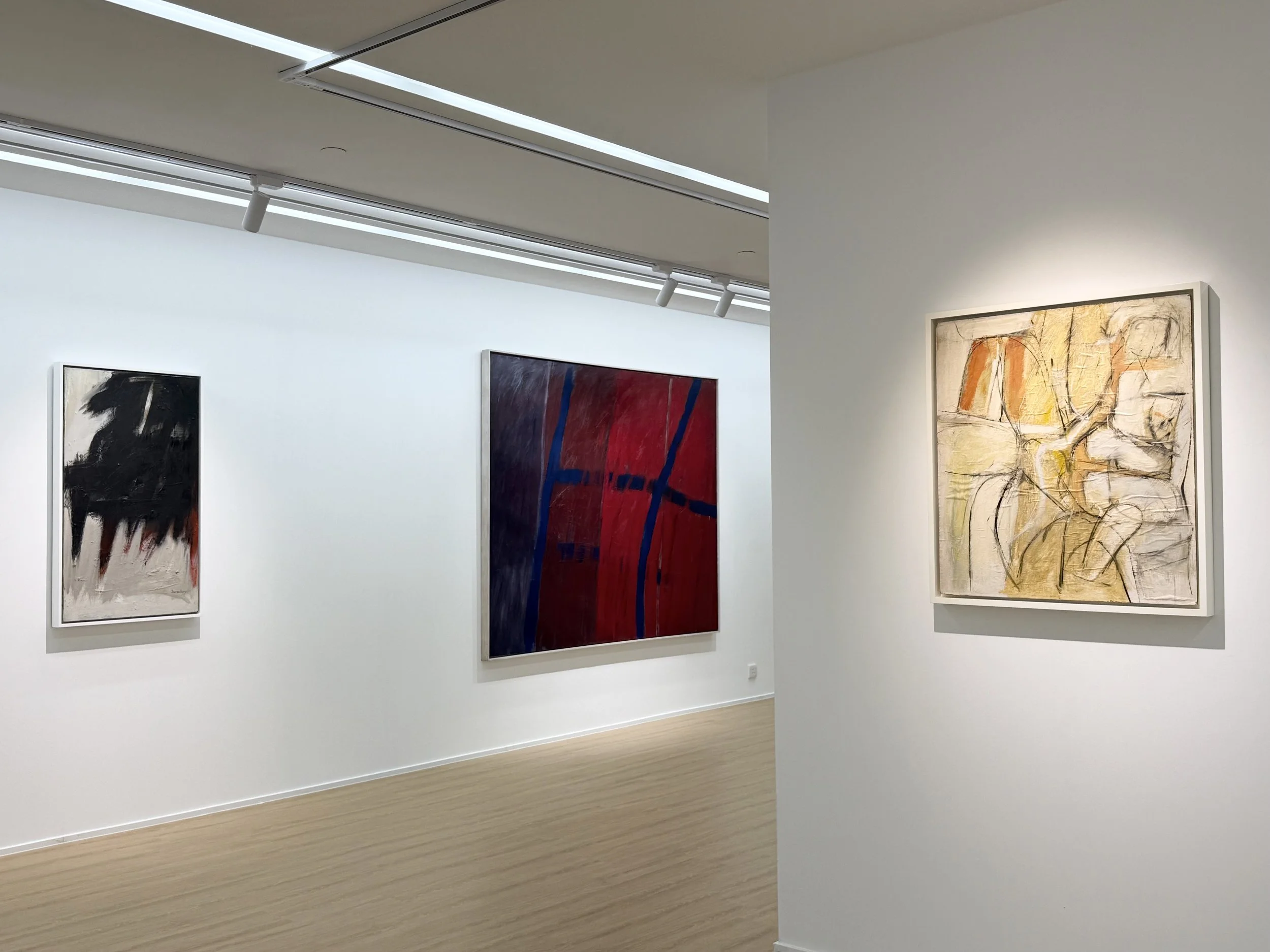
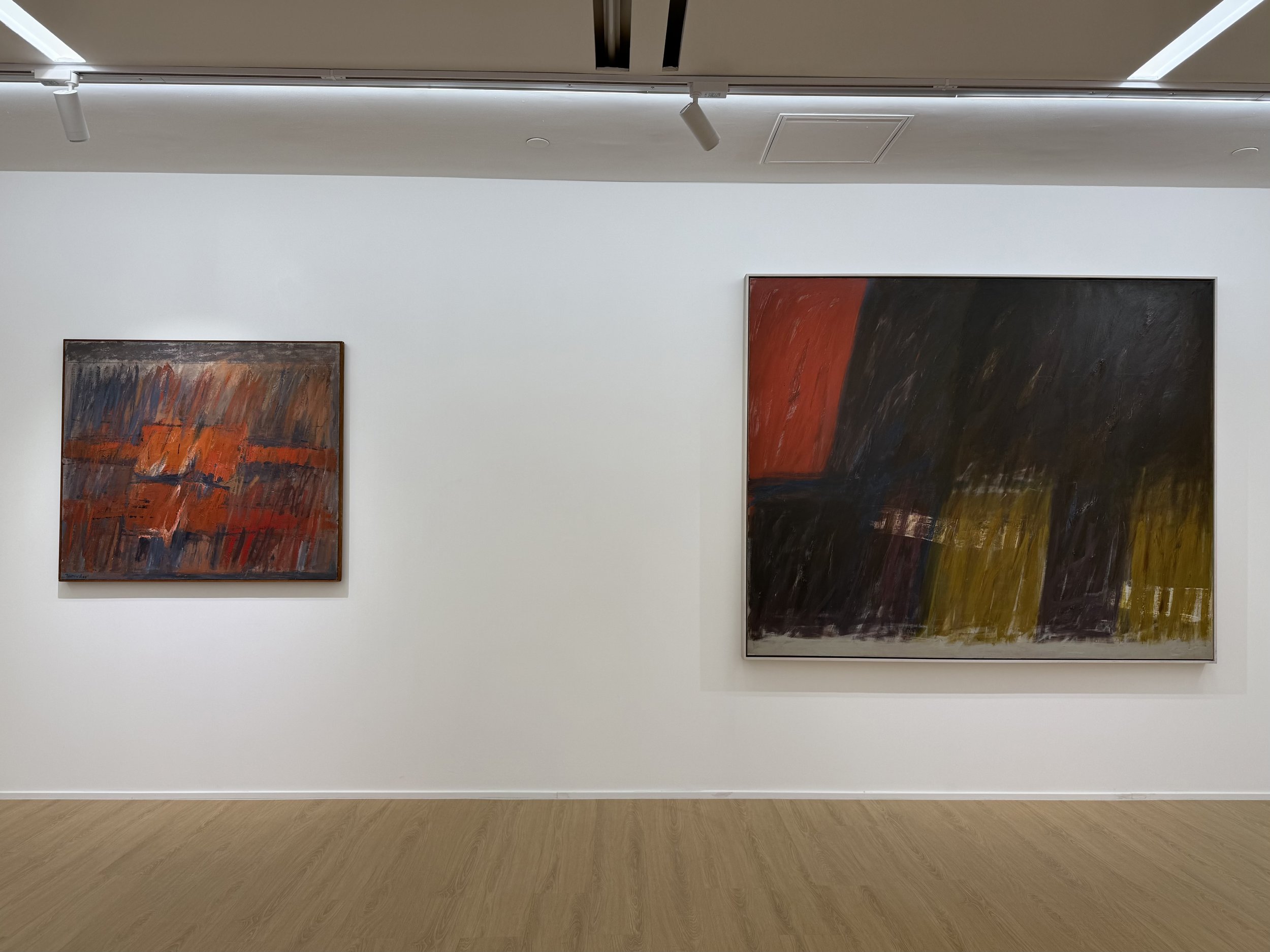
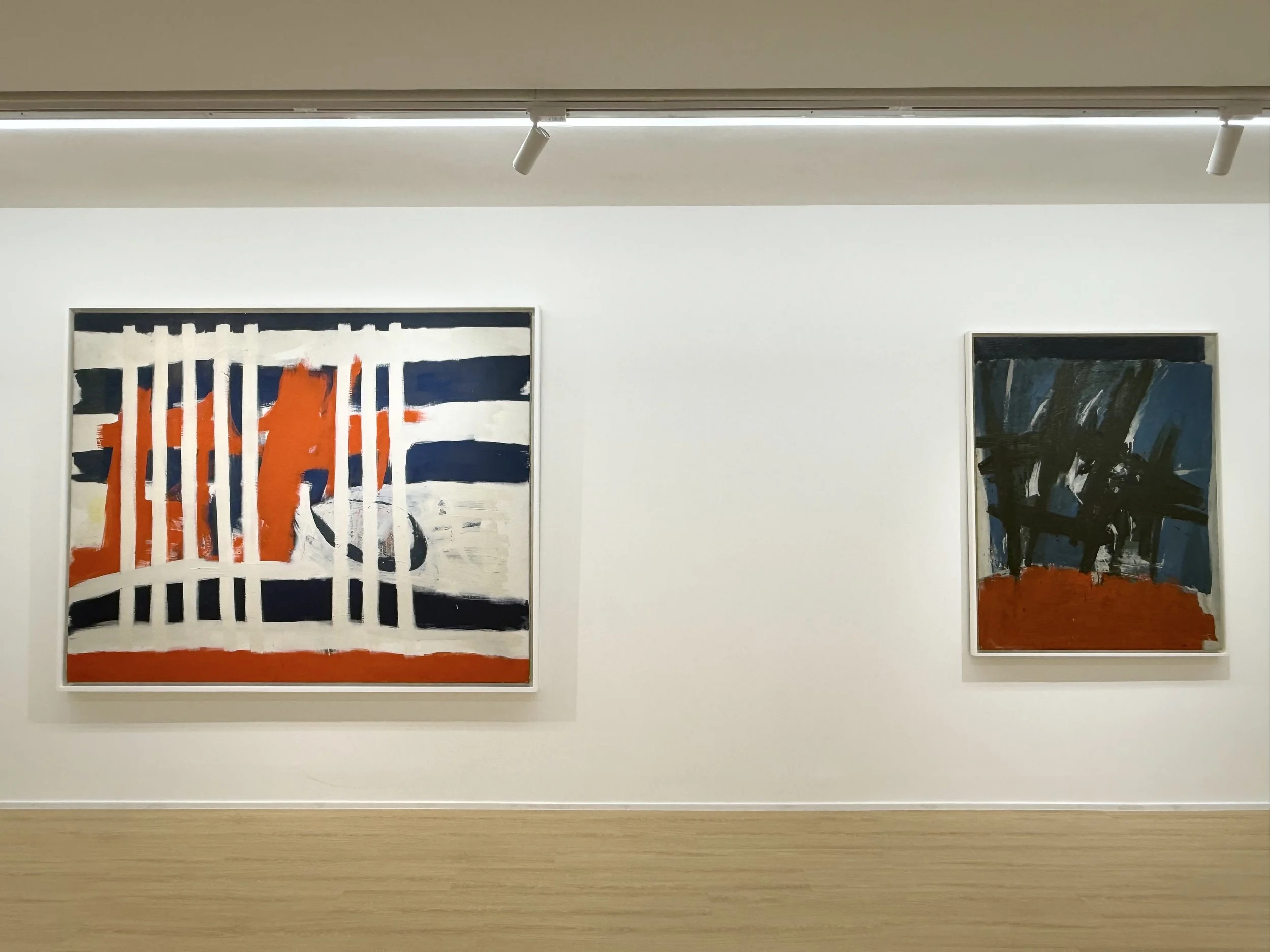
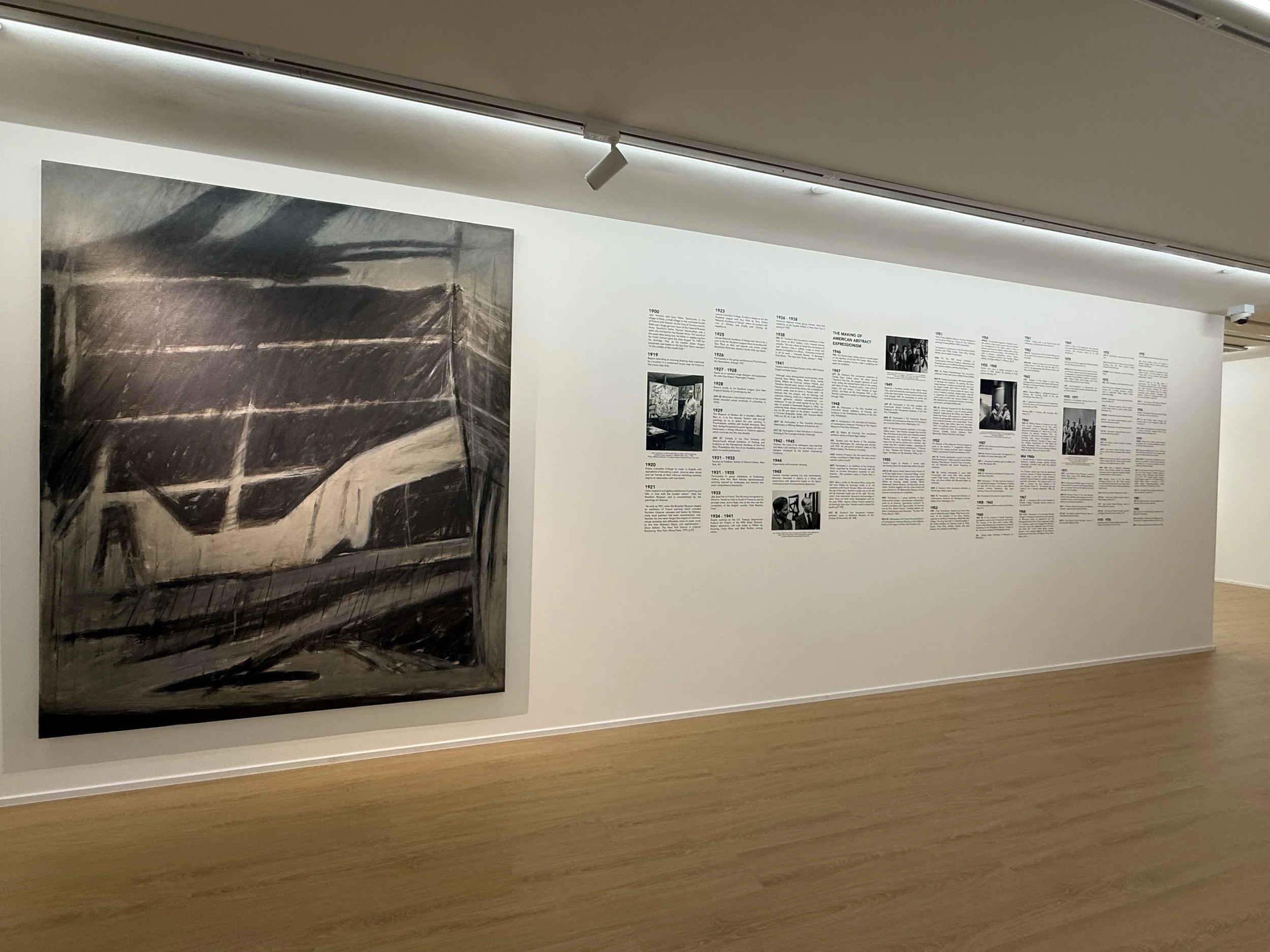
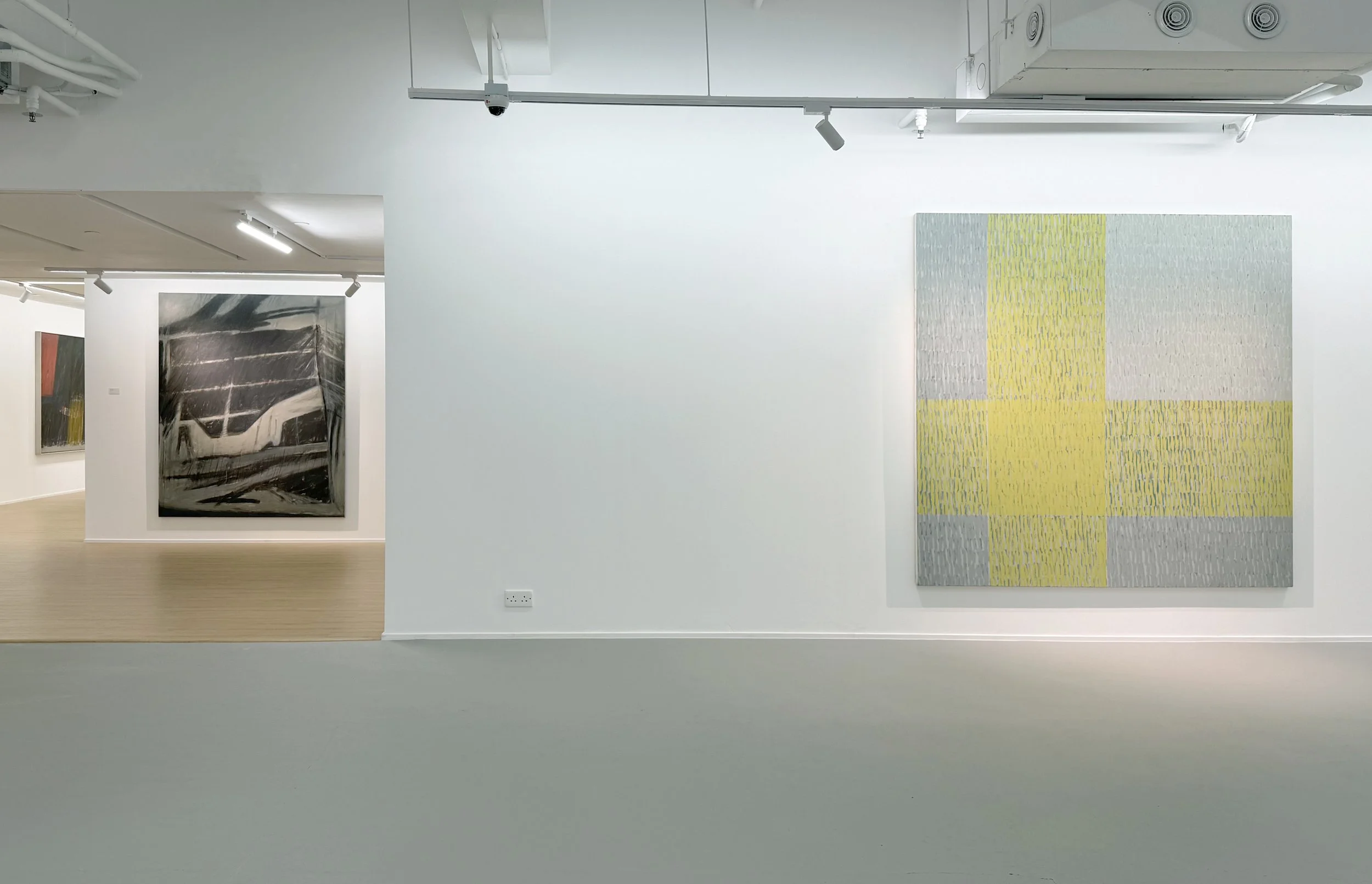
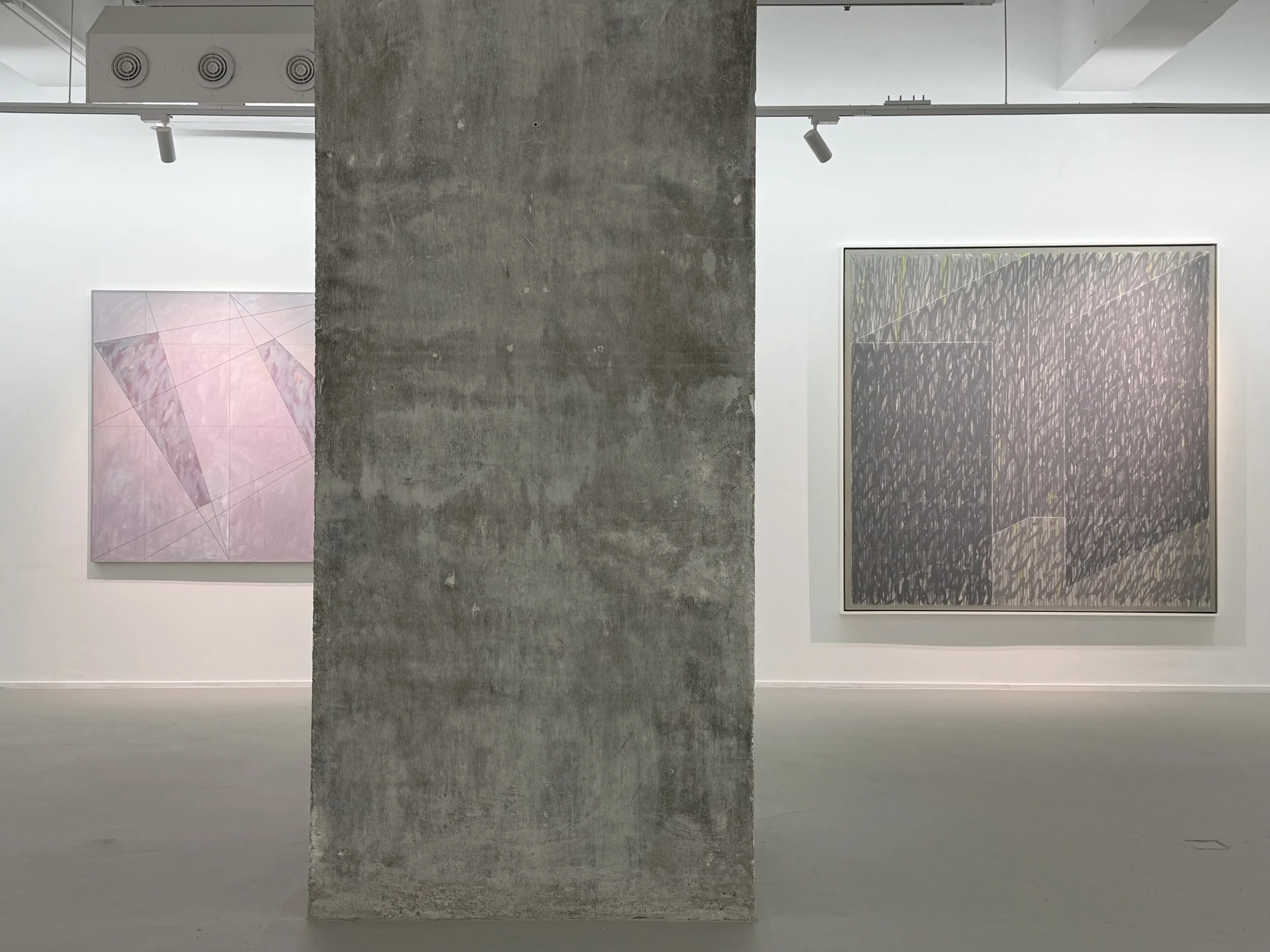
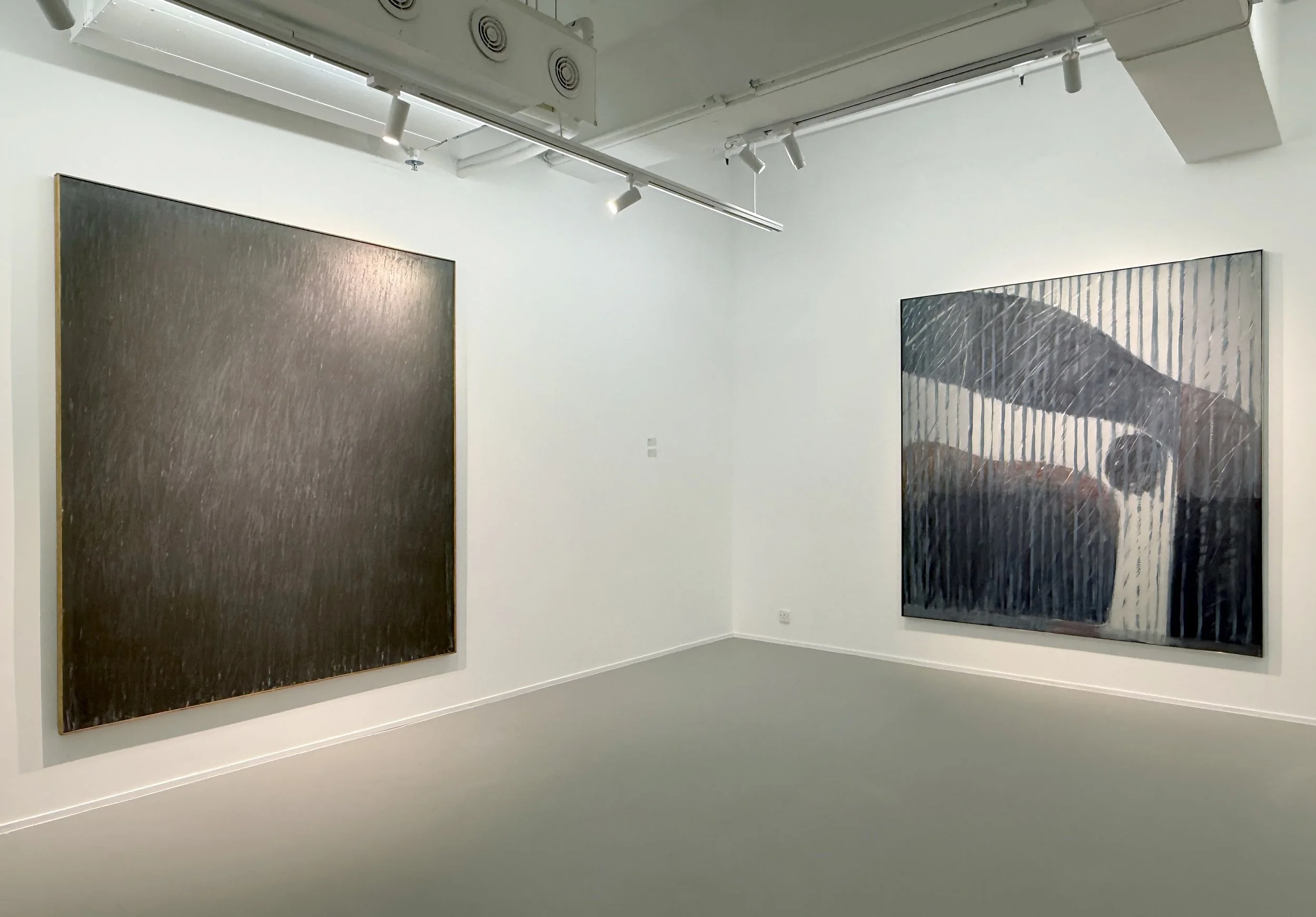
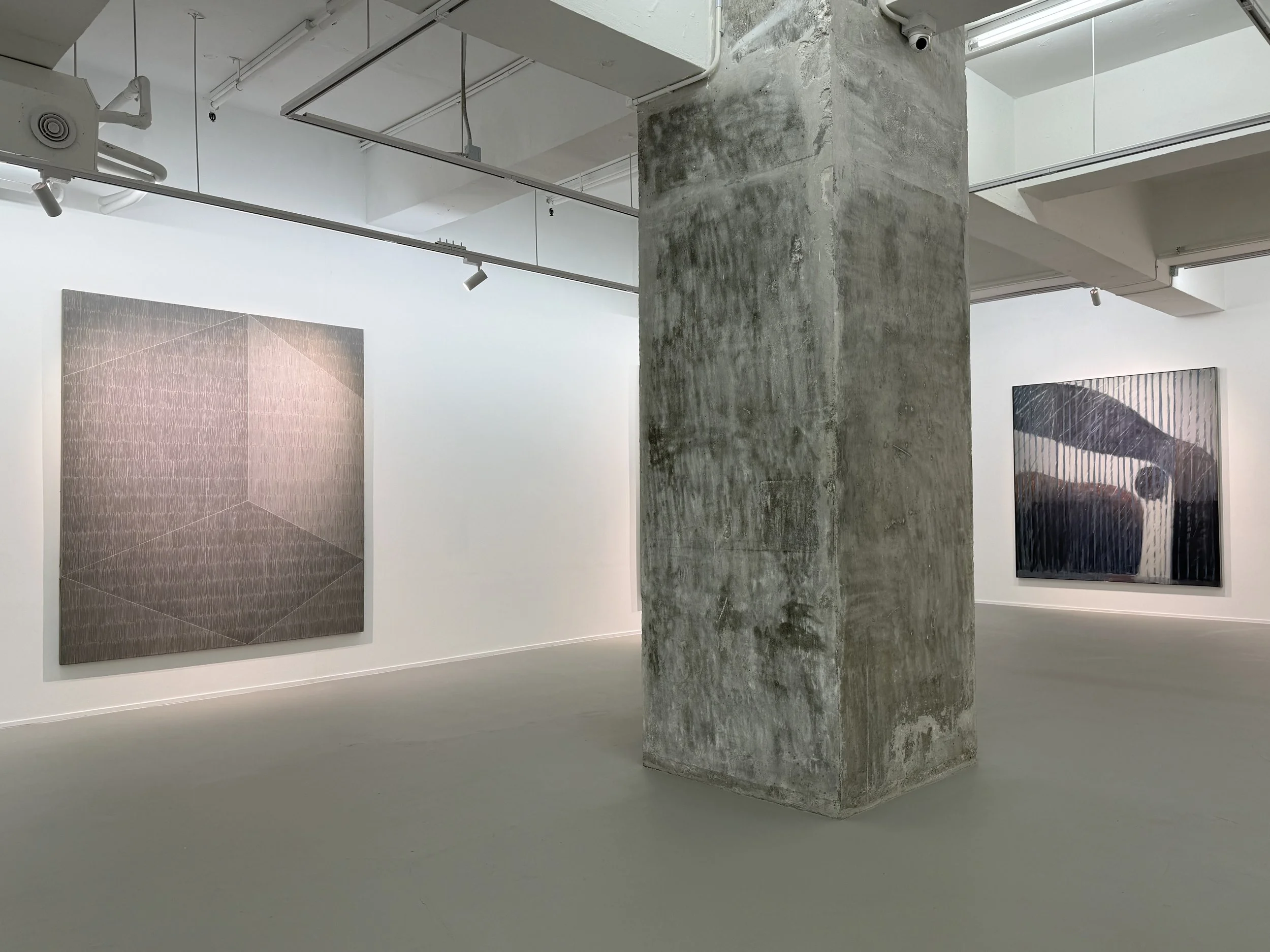
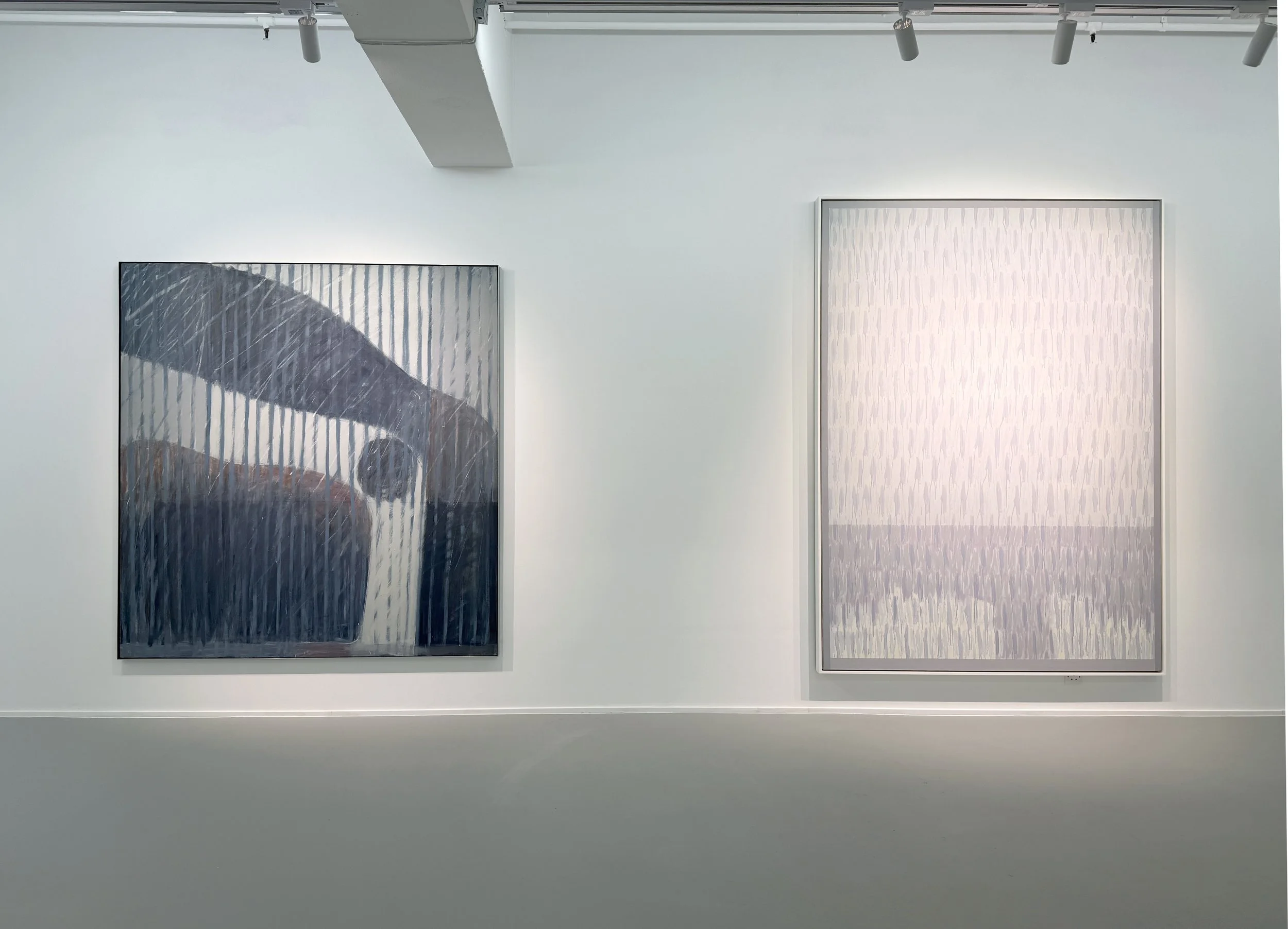
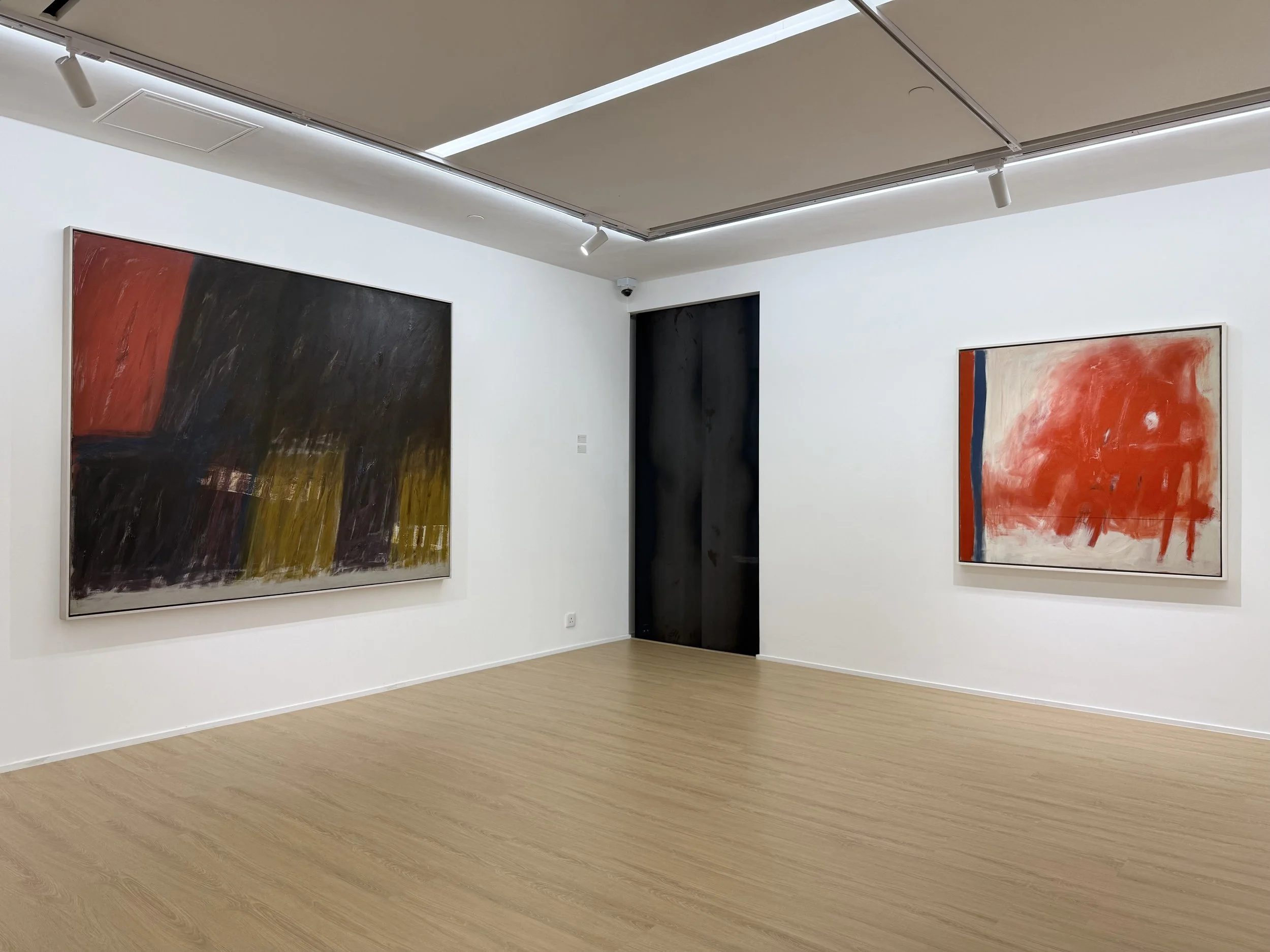
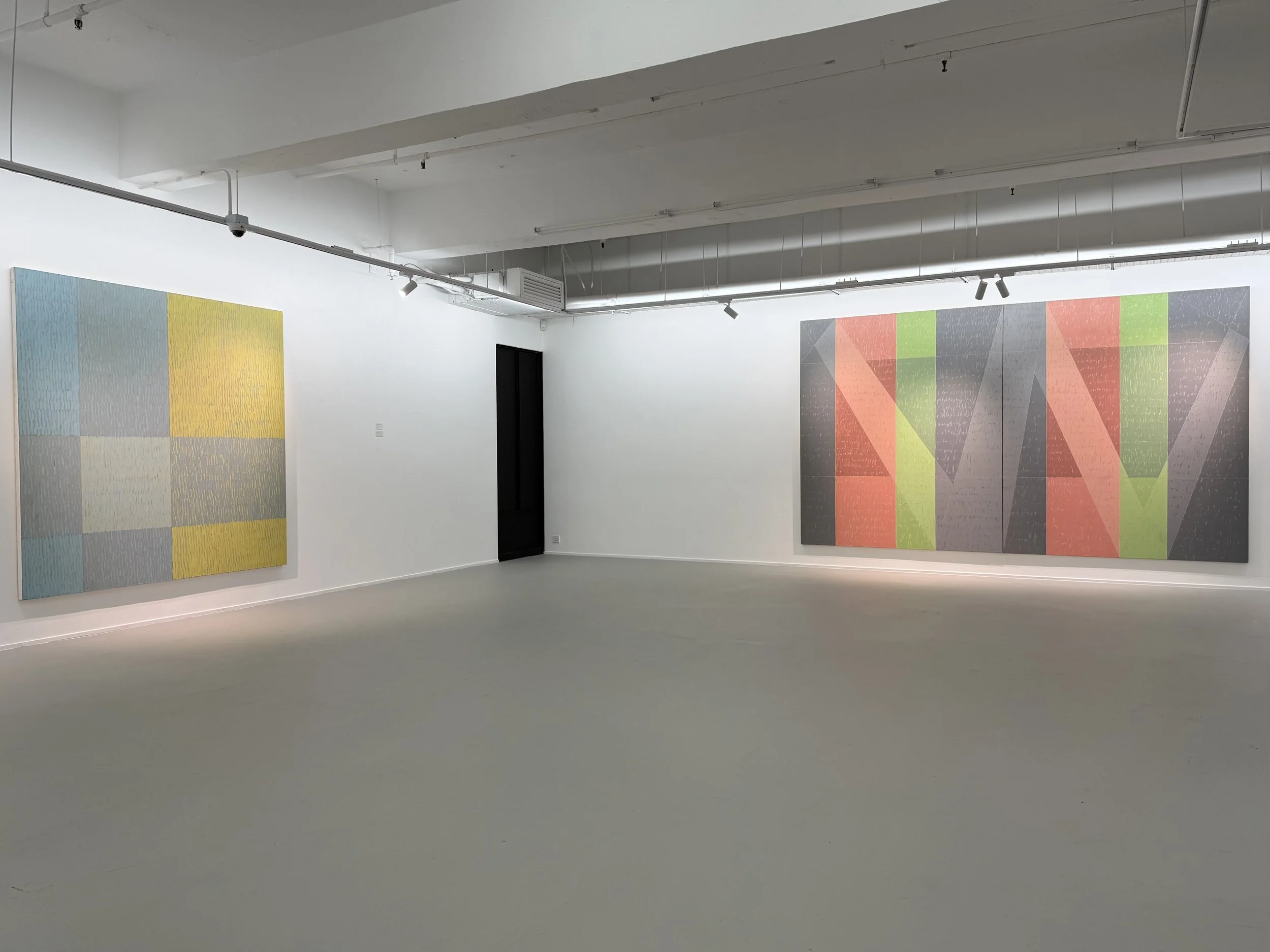
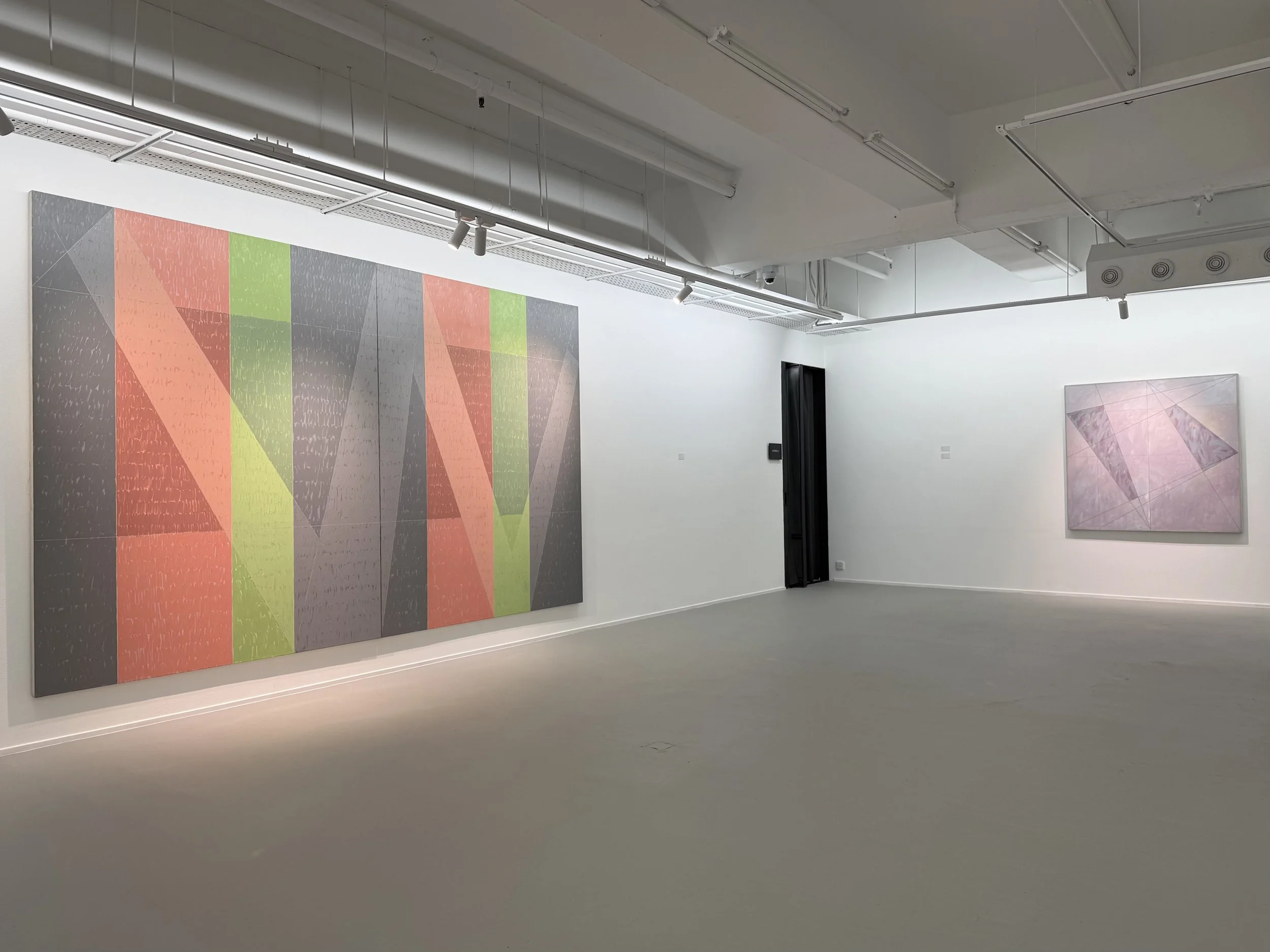
Installation view: Jack Tworkov: Pioneer of Abstract Expressionism, de Sarthe, Hong Kong
JACK TWORKOV: PIONEER OF ABSTRACT EXPRESSIONISM - A SURVEY
March 21-May 9, 2026
DE SARTHE
2/F, Block A, Vita Tower, 29 Wong Chuk Hang Road
Hong Kong
Opening Reception: Tuesday, March 24, 8pm – 10pm
Gallery Hours: Tuesday – Saturday, 11am – 7pm
Relevant Press:
Installation view:
________
HONG KONG –
DE SARTHE is pleased to announce Jack Tworkov 1900-1982: Pioneer of Abstract Expressionism – A Survey, an exhibition of key works by the influential American painter from the early 1950s to the early 1980s, organized with the support of the Estate of Jack Tworkov, Van Doren Waxter, and loans from major US and Asian collectors. The exhibition marks the first major retrospective in Asia. The exhibition is accompanied with a fully illustrated online catalogue with a never before published essay by noted historian of Abstract Expressionism David Anfam.
Characterized by the Tworkov’s disposition toward creative fluidity and shifting identities, the exhibition focuses on the years in which the artist played a pioneering role in the Abstract Expressionist movement alongside peers including Willem de Kooning, Jackson Pollock, and Mark Rothko. The exhibition offers a journey through history made via the eyes and hands of its maker.
Born in 1900 in Biała Podlaska, Russia (now Poland), Tworkov immigrated with his family to the United States in 1913. Tworkov’s oeuvre saw various transitions under the artist’s steady resolute and unique sensibility. Rooted in his diasporic upbringing, his every evolving work spanned five-decades from the early 1920s to the early 1980s and was positioned at the forefront of historic movements in American art, notably Abstract Expressionism. The late 1940s marked an important turning point in the artist’s career, as he returned to the studio after supporting the US war effort in World War II as a tool designer. The art scene in New York to which he returned had been renewed after the disruption of war. American artists broke from European influences establishing a complete creative independence emphasizing spontaneity, emotion, and universal themes. Tworkov was a leading member of this group, which has been known as the New York School of Abstract Expressionism.
Tworkov was receptive to a wide range of influences from the works of French Impressionist Paul Cézanne to the Fauves, to Homer’s Odyssey (800 B.C.E.), and much later, his own mathematical interests, Tworkov’s liberal and inquisitive visual language enriched his gestural approach to painting which would define the Abstract Expressionist movement in America.
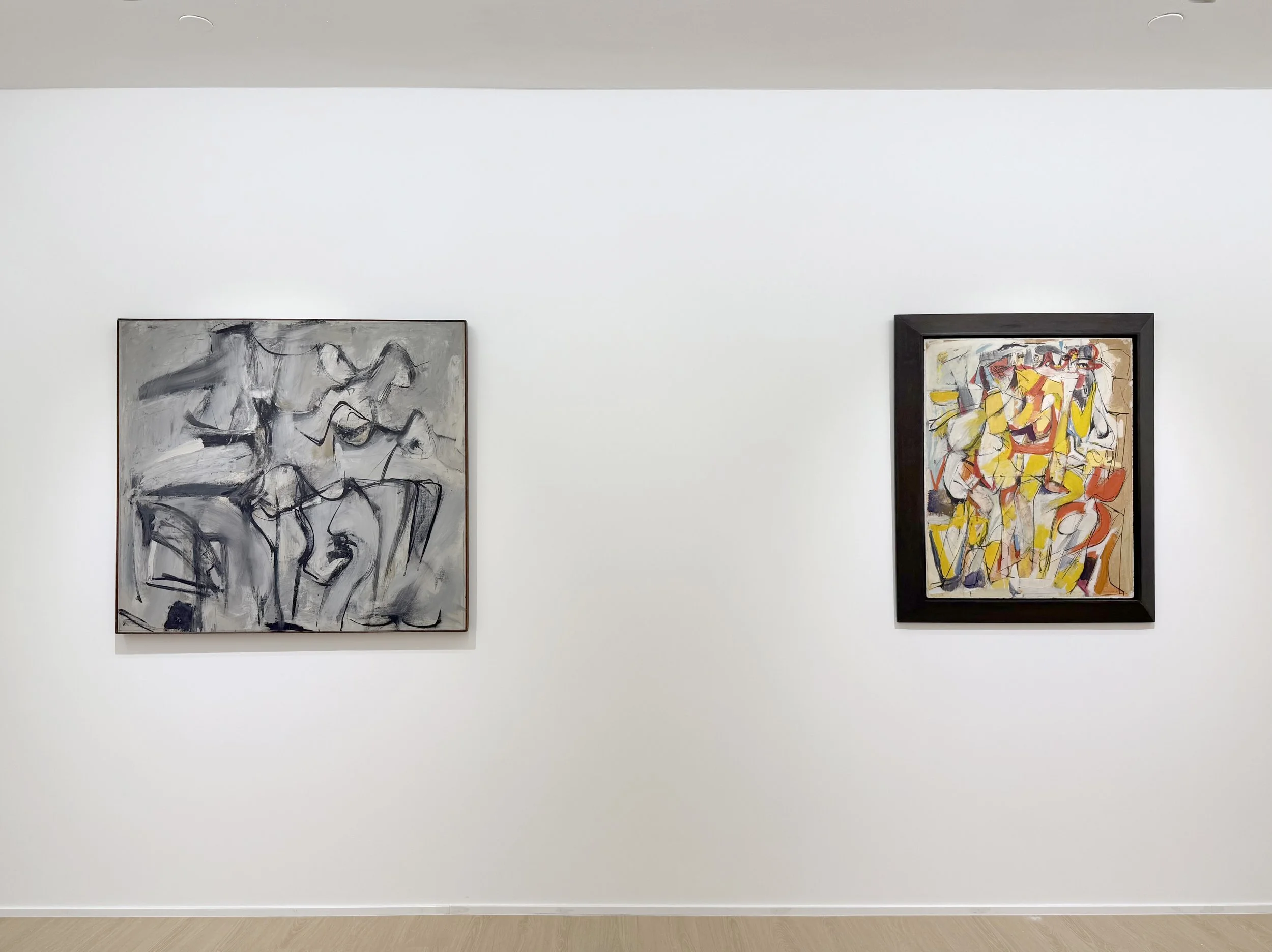
Installation View (L to R): “One Turning,” 1952, oil on canvas [CR 504] Prager Family Collection, New York; Study for “Sirens,” 1951, oil on paper mounted on Homosote [572] Private Collection.
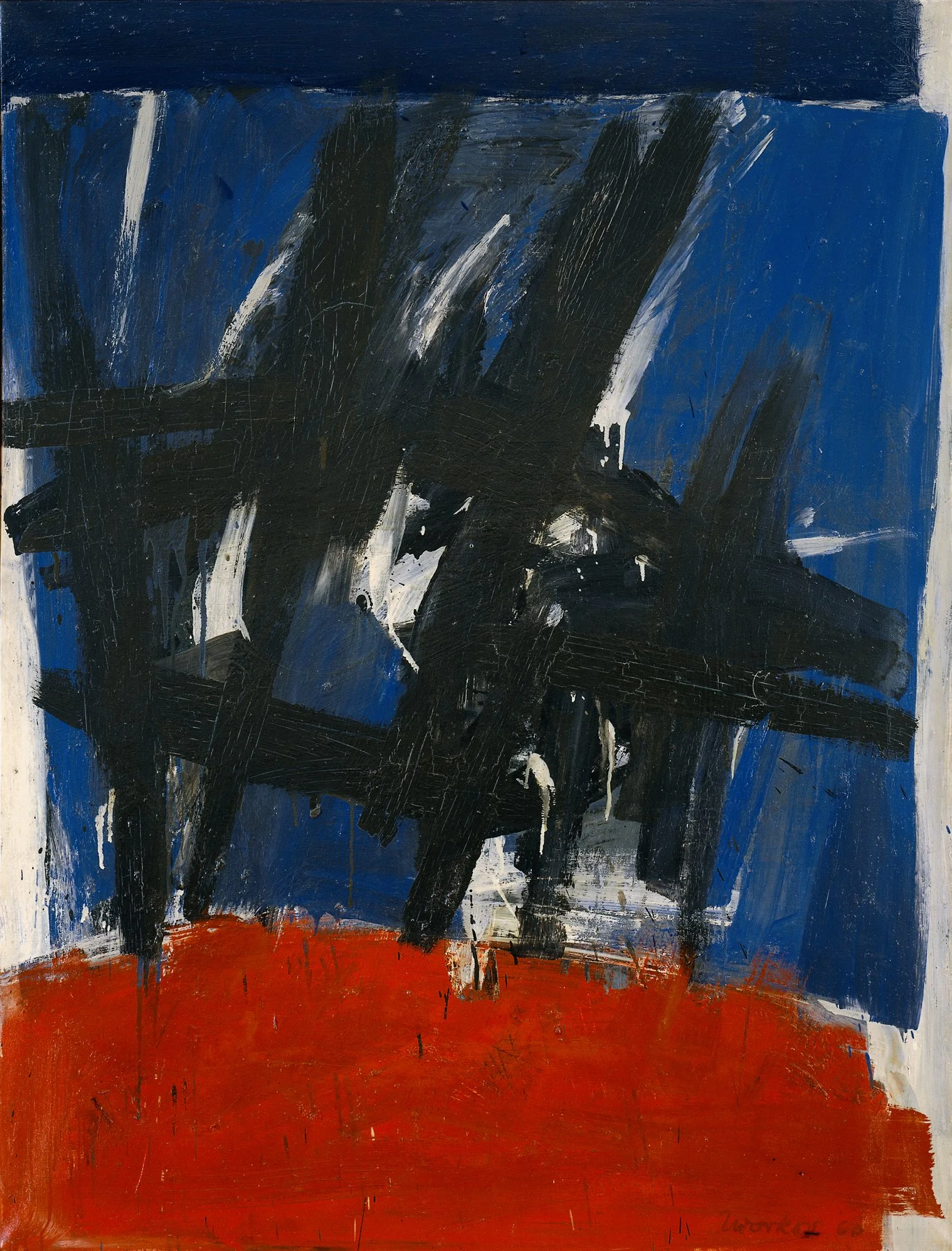
Jack Tworkov, Five Spot, 1960. Oil on linen, 132.7 x 101.6 cm (52 ¼ x 40 in) [CR 495]. Private collection
Tworkov has an established presence in museums worldwide, including in the permanent collections of the Art Institute of Chicago (IL), The Metropolitan Museum of Art (NY), The Museum of Modern Art (NY), Solomon R. Guggenheim Museum (NY), Neue Nationalgalerie (Berlin), Tate Modern (London), and Whitney Museum of American Art (NY) among many more. Jack Tworkov’s early gallery affiliations trace the rise of post-war American art. He first exhibited at New York’s Charles Egan Gallery in 1947 and again in 1954—a space known for championing pioneers like de Kooning, Rothko, Noguchi, Bourgeois, and Rauschenberg. In the late 1950s, he showed with the influential Stable Gallery, which helped define the Abstract Expressionist movement. Beginning in 1961, Tworkov’s work was represented by the legendary Leo Castelli Gallery, cementing his place within the canon of 20th-century art. He has also been included in other major exhibitions of abstract expressionists, most notably Founders and Heirs of the New York School , a travelling exhibition that showed at the Museum of Contemporary Art, Tokyo; Miyagi Museum of Art, Sendai; and Museum of Art, Ibaraki in Japan (1997); American Vanguard for Paris, organized by the Sidney Janis for Galerie de France exhibition with artists including de Kooning, Gorky, and Pollock (1962); The Osaka Festival: International Art of a New Era: U.S.A., Japan, Europe, Osaka, Japan (1958) and New American Painting, organized by Dorothy Miller for the International Program of the Museum of Modern Art (1958) which toured to eight European venues including Kunsthalle, Basel, Museo Nacional de Arte Contemporaneo, Madrid, Stedelijk Museum, Amsterdam, Musee National d’Art Moderne, Paris, and Tate Gallery, London.
As a respected teacher, lecturer, and visiting artist, Tworkov established the visiting artist program at American University in Washington, DC, in the late 1940s which recruited such artists as de Kooning to teach. Of additional note, Tworkov was a visiting artist at Black Mountain College in 1952, and in 1963 he was appointed Chair of the Art Department at Yale School of Art and Architecture (a post he would hold until 1969).
The exhibition highlights key works from Tworkov including Study for “House of the Sun” (1952), a rare gestural composition developed during his time at Black Mountain College; Games III (1956) a prime example of Tworkov’s trademark flame-like brushstrokes; Five Spot (1960) a bold painting titled after the famous jazz club the artist frequented located just blocks from his Bowery studio. The survey also includes six major works painted during the 1970s, defined by a cool monolithic clarity and a reductive and structured process. Each are painted during a significant decade for the artist that saw a solo show curated by Marcia Tucker at The Whitney Museum of American Art in New York (1971), the awarding of the Skowhegan Medal for Painting (1974) presented to the artist by artist and dealer Betty Parsons, and the career survey at Third Eye Centre, Glasgow (1978) which toured the UK. A major two paneled work Diptych for Wally (Q1-82 #1) (1982), completed the last year of the artist’s life, rounds out the exhibition.
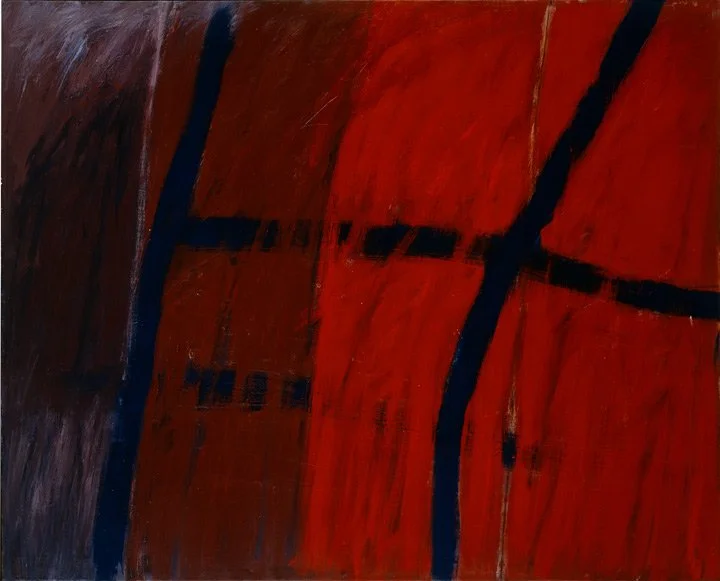
Jack Tworkov, Barrier Series #5, 1963. Oil on canvas, 163.8 x 203.2 cm (64 ½ x 80 in) [CR 041]. Collection Estate of Jack Tworkov
Looking in-depth, Barrier Series #5 (1963) was painted during an eventful time for Tworkov. In January 1963, he was awarded the Corcoran Gold Medal from the 28th Biennial Exhibition of Contemporary American Painting, Corcoran Gallery of Art, Washington, D.C. In February, he opened his second solo exhibition at the Leo Castelli Gallery (from which MoMA acquired the painting West 23rd). In March, he opened his second solo exhibition at the B.C. Holland Gallery in Chicago, and later that month, he accepted the Chair position at the Yale School of Art and Architecture.
In a 1968 statement to Albright Knox Art Gallery, Tworkov described the Barrier series:
“All of the Barrier series stressed large, looming, perhaps threatening masses entering the canvas usually from the top and side. These masses or formations avoided hard outlines and were the result of an accumulation of rather long strokes, which served as a basic structural element akin to the dot in a Seurat painting. The color in these paintings was more tonal, more naturalistic and tended towards the monochromatic.”
Barrier Series #5 is the fifth painting in a series of seven works - three of which are in public collections including Buffalo AKG Art Museum, Buffalo; Chazen Museum of Art, Madison; and Yale University Art Gallery, New Haven.
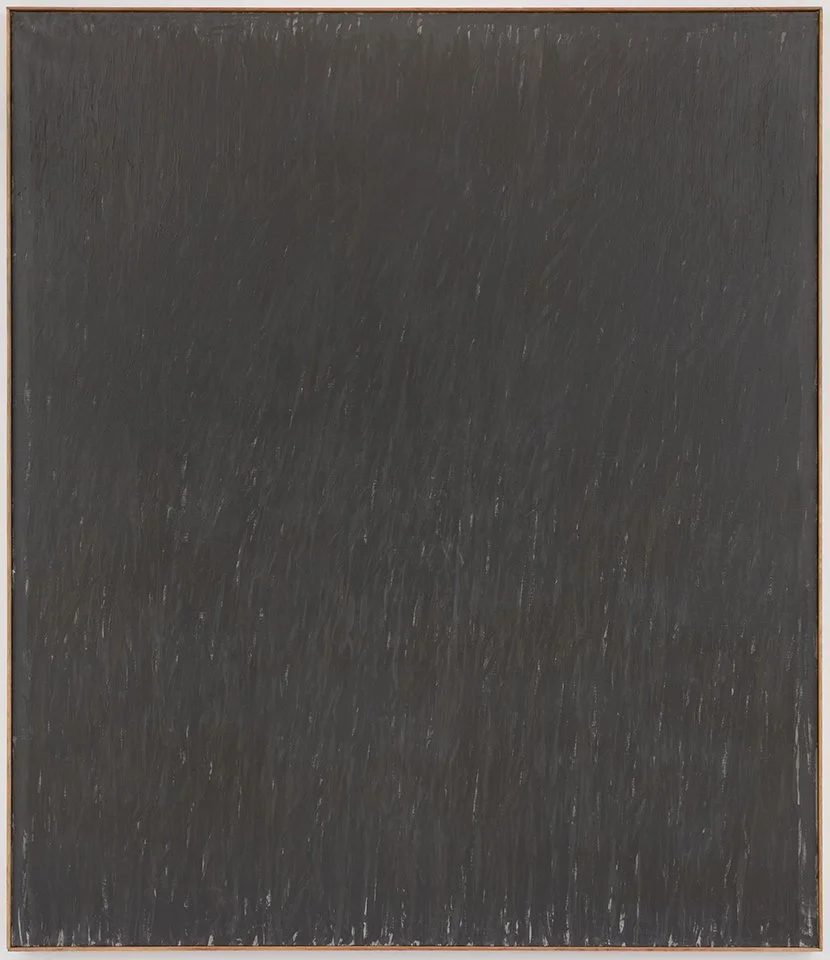
Jack Tworkov, SSP-67 #7, 1967, oil on canvas, 80 x 69 in (203.2 x 175.3 cm) [CR 075] Private collection
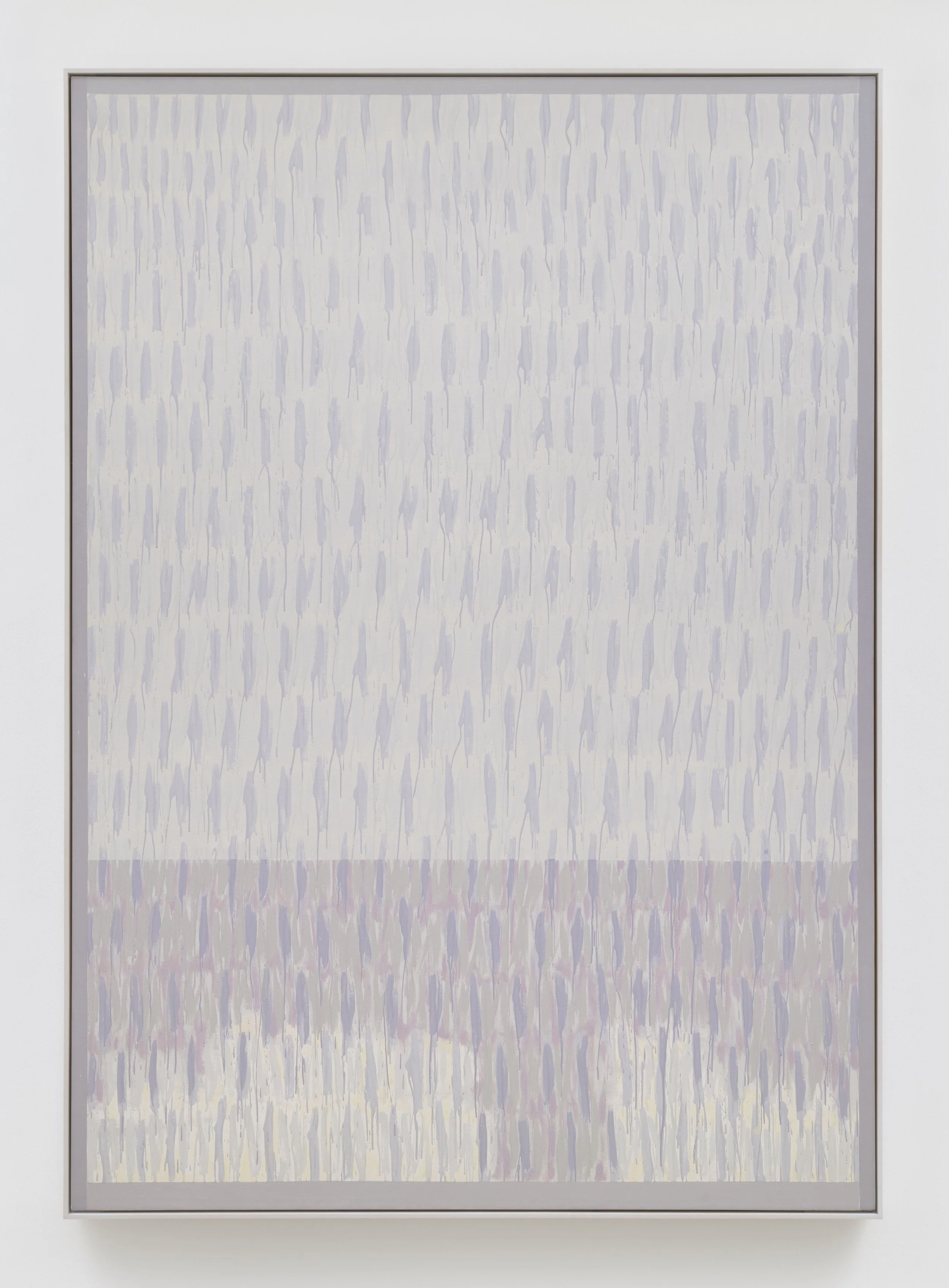
Jack Tworkov, Q4-72 #1 (1972), oil on canvas, 96 × 68 in (243.8 × 172.7 cm) [CR 681]
Another prominent work in the exhibition is Q4-72 #1 (1972), created just prior to Tworkov’s artist residency at the Rome Academy (Winter 1972) and one of the earliest paintings in which the artist introduced a new compositional structure that embraced his developing desire to bring a programmatic system to his art.
Unlike any other compositions to date, several of Tworkov’s works completed in the Provincetown studio in the fourth quarter of 1972 comprise of a structured hierarchy where in the top two-thirds of each painting, the artist “reasoned” a system with his marks following a specific program. Conversely, the lower quadrant is a field of free gesture. Describing his compositional logic, Tworkov stated in an artist statement for Jaffe-Friede Gallery in February 1973:
“What I wanted was a simple structure dependent on drawing as a base on which the brushing, spontaneous and pulsating, gave a beat to the painting somewhat analogous to the beat in music. I wanted and I hope I arrived at a painting style in which planning does not exclude intuitive play.”
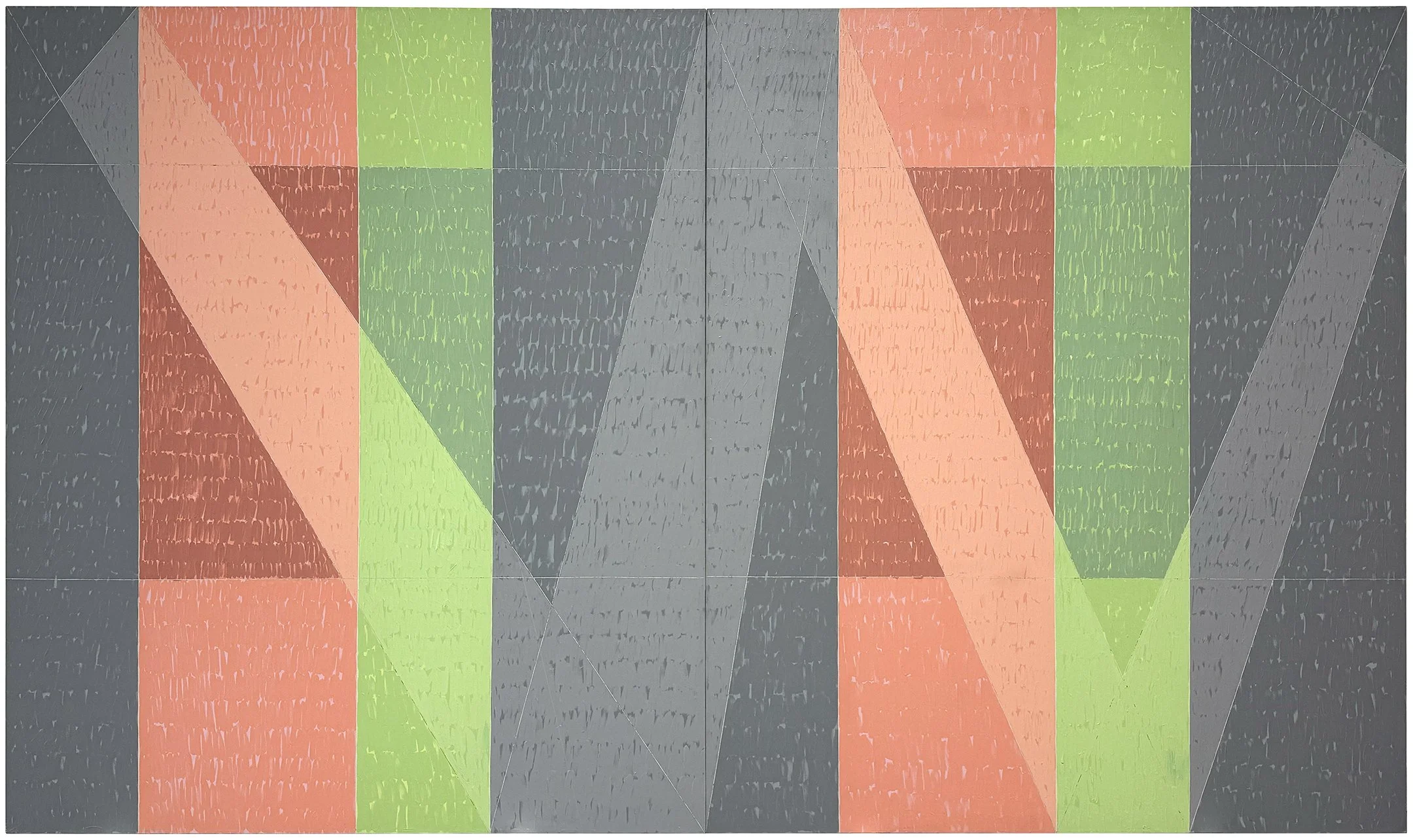
Jack Tworkov, Diptych for Wally (Q1-82 #1), 1982. oil on canvas, 228.6 x 381 cm (90 x 150 in.) overall [CR 174]
Rounding out this major survey is the largest painting Tworkov completed before his death in September 1982. Only the third time this painting has been on view, Diptych for Wally (Q1-82 #1) (1982) spans nearly 4-meters and pulses with disciplined intensity. Blush reds, chalky greys, and vibrant lime colors are layered into rigorous grids, where calculated lines establish fields that jostle between control and vulnerability. Though the rigorous geometric structure establishes the overall composition, the mark and the marking remains human–revealing hesitations and accidents. Here color and touch refuse rigidity, creating a tense, luminous balance between thought and feeling. Scale amplifies the painting’s quiet urgency and intellectual resolve.
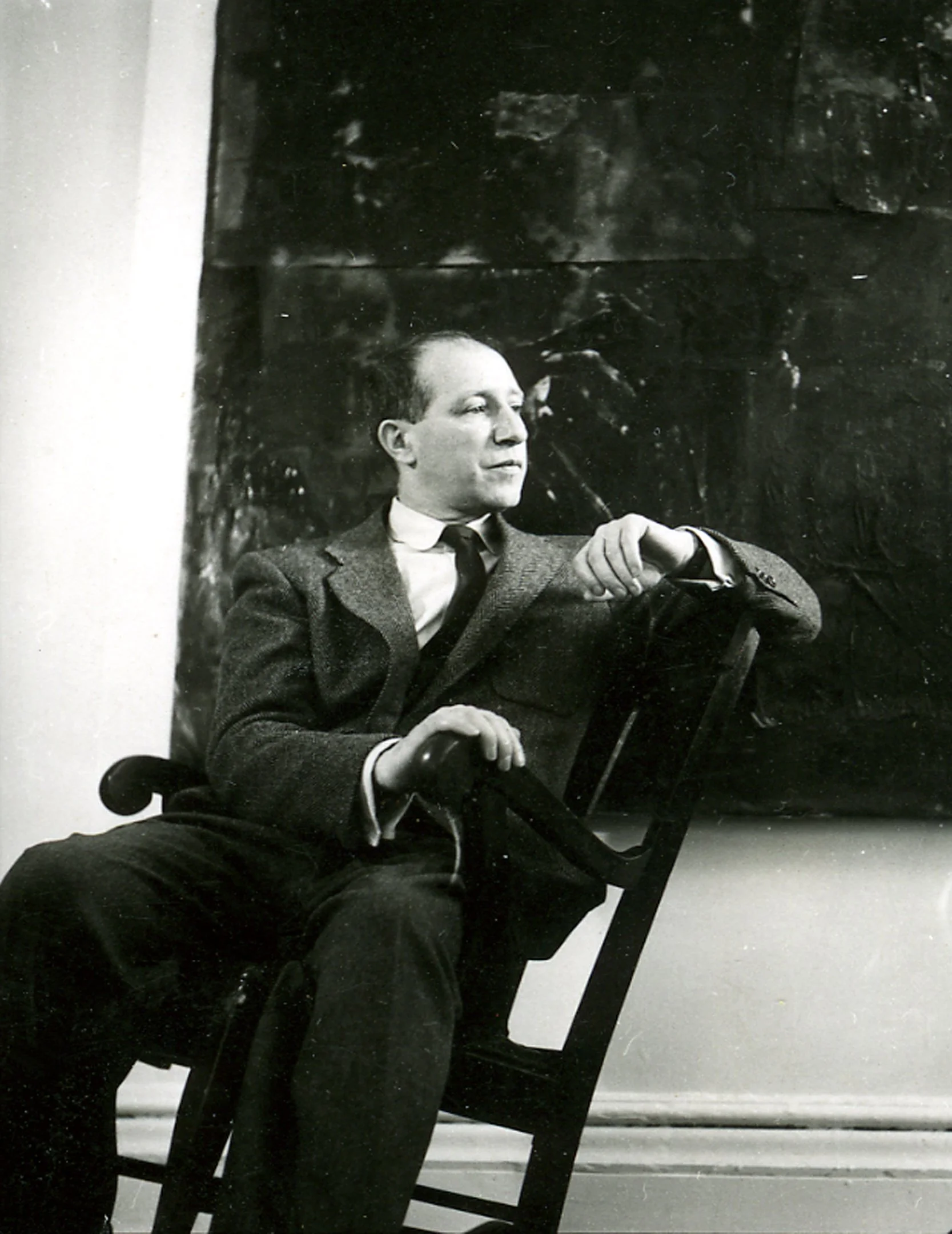
About Jack Tworkov
Jack Tworkov (1900-1982) was born in Biała Podlaska, Russian Empire and immigrated to the United States in 1913. A founding member of New York School and a first-generation Abstract Expressionist, Tworkov painted intuitively and gesturally, emphasizing texture, direction, and line. His most characteristic work contains flashes of color against muted, monochromatic backgrounds, documenting his gestures and drawing attention to pigment and medium. Tworkov has had solo exhibitions at major institutions including Solomon R. Guggenheim (1982), The Whitney Museum of American Art (1964, 1971), Pennsylvania Academy of the Fine Arts (1987) and more.

About DE SARTHE:
DE SARTHE serves as a vital bridge between the groundbreaking art of the 20th century and the dynamic vanguard of the 21st. With an influential international presence in Modern and Post-war masters, the gallery's deep roots inform its pioneering platform for boundary-pushing contemporary art from Asia. We connect the legacy of artists who redefined their time with a growing roster of emerging artists who investigate today's social narratives, conceived under the effects of new technology. By building museum-quality collections since 1977, DE SARTHE creates a continuous dialogue between Modern and Contemporary art.
More about DE SARTHE →